Why Probability Explains Outcomes Better Than Table Superstitions
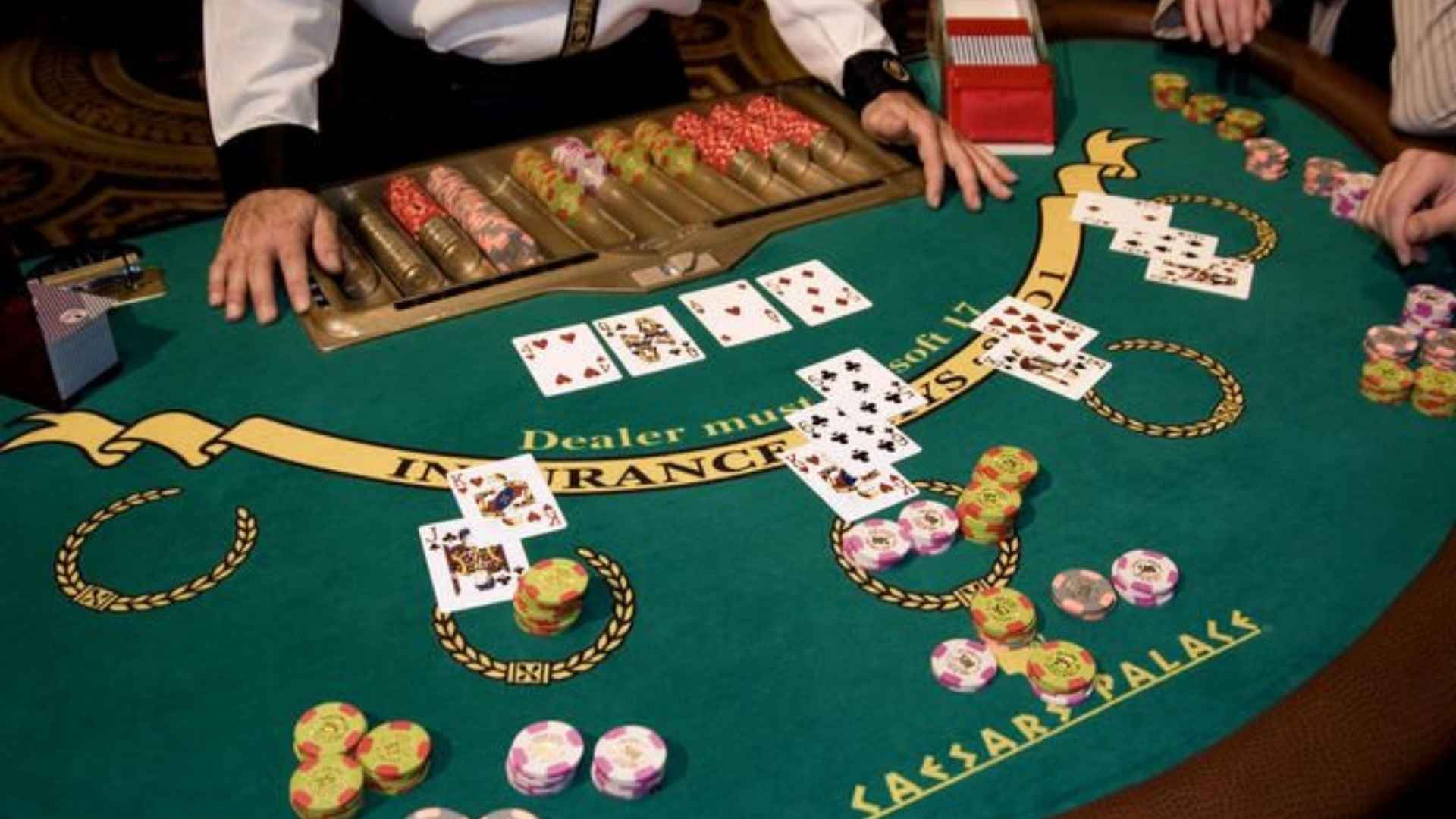
The human mind is naturally wired to find patterns and meaning on casino floors, often leading to deep-seated beliefs about lucky charms or hot streaks. However, the true foundation of every game dynamic rests entirely on mathematical rules rather than mystical influences. Understanding why random distribution controls the cards helps modern enthusiasts separate emotional assumptions from structural realities.
The Psychology of Finding Patterns in Pure Luck
Many participants experience a strong cognitive illusion when watching a sequence of independent table results unfold live. This mental shortcut frequently leads to the mistaken belief that previous outcomes must dictate future occurrences. In reality, a randomized deck contains no memory of past actions and operates strictly within fixed mathematical bounds.
Relying on ritualistic behaviors like wearing specific colors or avoiding certain seats provides an illusion of control over absolute uncertainty. While these habits might offer brief emotional comfort during intense sessions, they carry absolutely zero weight in shifting physical odds. True table expertise begins when a person accepts that mathematical distribution remains completely indifferent to human habits.
How Independent Events Defy Personal Customs
Every single deal represents a fresh calculation where the underlying probability distributions reset to their original state. This structural framework means that a long streak of a specific result does not make the opposite outcome any more likely to appear next. Entrenched superstitions often collapse because they ignore the strict independence of randomized gaming mechanics.
Modern digital platforms emphasize this reality by utilizing complex cryptographic algorithms to ensure absolute randomness across all tables. Enthusiasts who prefer mobile accessibility can try an m88 app download to experience highly regulated card environments firsthand. These automated applications demonstrate how continuous random mathematical variations consistently outlast any temporary betting routine.
The Mathematical Reality of Long Term Expectations
While short-term sessions can occasionally reward an unusual pattern due to simple variance, the long-term outlook belongs entirely to math. Probability theory guarantees that as the total number of rounds increases, the actual results align perfectly with predefined house calculations. This statistical correction explains why relying on a lucky charm inevitably fails over extended periods.
Analyzing the exact odds behind card values allows table enthusiasts to make measured decisions based on realistic data. Shifting from emotional predictions to objective observations helps players manage their expectations without falling for standard cognitive traps. Embracing this analytical approach fosters a much deeper appreciation for the structured design of modern gaming entertainment.
Building Better Strategy Through Objective Data
Navigating traditional casino pastimes successfully requires a firm commitment to objective data over emotional impulses. Players who master the basic rules of probability can evaluate shifting risk profiles without getting distracted by superficial table rituals. This structured perspective transforms a chaotic guessing game into an intellectual exercise in understanding statistical variance.
Ultimately, separating real math from ancient superstition empowers individuals to enjoy interactive environments with complete clarity. Recognizing that numbers alone govern the table layout helps enthusiasts maintain disciplined habits regardless of temporary outcomes. By trusting the mathematical framework, players can fully appreciate the refined evolution of strategic global table games.